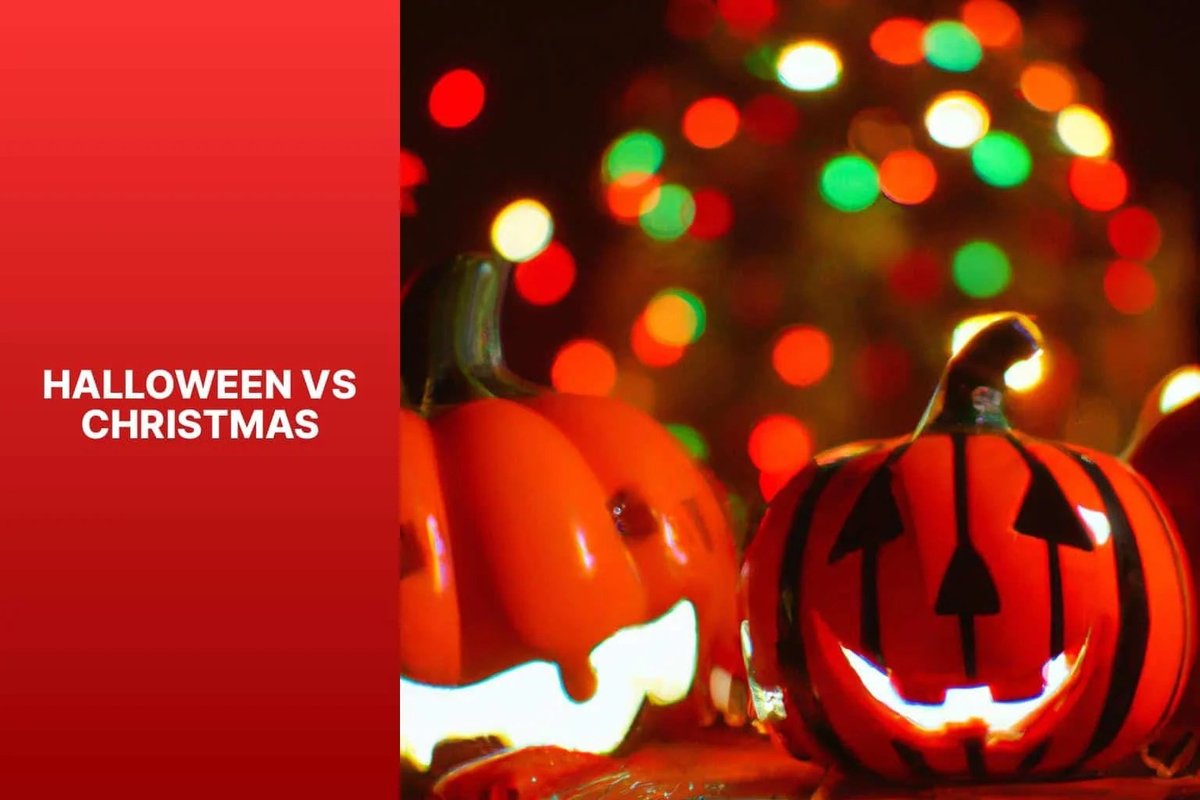
The crisp air of autumn gives way to the twinkling lights of winter, and with that seasonal shift often comes a lively, perennial debate: which holiday reigns supreme? We're talking, of course, about The 'Halloween vs. Christmas' Debate: Arguments for Each Holiday. It’s a playful rivalry, yet one that taps into deeply held traditions, personal preferences, and even cultural values. Both Halloween and Christmas stir strong emotions, evoke vivid memories, and inspire incredible creativity. But when forced to pick a champion, what makes people passionately declare their allegiance to one over the other? Let’s unwrap the arguments for these two titans of celebration.
At a Glance: The Holiday Showdown
- Christmas: Celebrated globally on December 25th, rooted in religious commemoration (birth of Jesus), and a federal holiday in the US since 1870. Emphasizes themes of family, love, generosity, and the "Christmas spirit." Attracts ~82% American participation.
- Halloween: Observed annually on October 31st, tracing back to ancient Celtic Samhain. Evolved into a celebration of fun, imagination, and the playfully macabre. Known for costumes, trick-or-treating, and decorations. Engages ~65% of Americans.
- Key Distinctions: Christmas is often seen as more solemn and family-focused, with significant religious ties, while Halloween leans into fantasy, community fun, and creative expression.
- Shared Spirit: Both holidays honor past events, inspire home decorations, involve gatherings, and feature forms of "dressing up" and giving.
- Spending: Christmas outpaces Halloween in overall consumer spending, though Halloween is a robust second with over $2.5 billion annually.
Two Titans, One Timeless Question: Why We Pit Holidays Against Each Other
From sports teams to favorite books, humans love a good comparison. It helps us articulate our preferences, understand what resonates with us, and connect over shared (or opposing) passions. Holidays are no exception. These aren't just dates on a calendar; they’re markers of time, woven into our personal narratives and cultural fabric. Both Halloween and Christmas arrive with a distinct aura, a set of cherished rituals, and a powerful emotional pull. They bring joy, foster togetherness, and offer a much-needed pause from the everyday.
Yet, despite their shared capacity for happiness, they stand in stark contrast, offering different flavors of celebration. One invites us to embrace the light, the sacred, and the warmth of kinship; the other beckons us into the shadows, the whimsical, and the thrill of transformation. Understanding the arguments for each isn't about declaring a definitive winner, but rather appreciating the rich tapestry of human tradition and what makes these holidays so profoundly meaningful to millions.
Christmas: A Deep Dive into the Season of Giving and Joy
For many, Christmas isn't just a holiday; it's the holiday—a season of unparalleled warmth, generosity, and enchantment. Celebrated annually on December 25th, its global reach and profound impact are undeniable.
Roots of Reverence: The Sacred and the Secular
At its core, Christmas is a sacred religious holiday for Christians worldwide, commemorating the birth of Jesus of Nazareth, whom they believe to be the Son of God. This spiritual foundation provides a deep layer of meaning for millions, inspiring reflections on peace, hope, and faith. The tradition of attending church, particularly on Christmas Eve, and setting up a manger scene are direct expressions of this spiritual reverence.
Beyond its religious significance, Christmas has evolved into a formidable cultural and commercial phenomenon. The United States has recognized Christmas Day as a federal holiday since 1870, cementing its place in the national consciousness. Its influence extends far beyond religious adherents, embraced by people of diverse backgrounds who find comfort and joy in its universal themes.
The Argument for Christmas: Why Many Crown It King
When people champion Christmas, they often point to a constellation of factors that create its unique magic:
- Themes of Love, Family, and Generosity: Christmas is synonymous with togetherness. It’s a time when families often travel great distances to reunite, sharing meals, laughter, and creating new memories. The tradition of exchanging gifts isn't merely about material possessions; it's a powerful symbol of love and thoughtful giving, fostering a sense of connection and appreciation among loved ones. The act of demonstrating kind acts, encouraged by the holiday spirit, reinforces this theme of selfless generosity.
- The "Spirit" of Christmas: This intangible quality is perhaps Christmas's most potent argument. It’s an almost palpable feeling of goodwill, hope, and cheer that pervades the air. People often report feeling more patient, compassionate, and generally happier during the Christmas season. This "spirit" encourages acts of charity, forgiveness, and a collective belief in the good within humanity, making the world feel a little brighter, even if just for a short while.
- Aesthetic & Sensory Experience: Christmas is a feast for the senses. The visual spectacle of twinkling lights, elegantly decorated trees, and festive home displays transforms neighborhoods into winter wonderlands. The air fills with the scent of pine, gingerbread, and cinnamon. The soundscape is rich with carols, bells, and the joyful chatter of gatherings. The taste of freshly baked cookies and traditional holiday meals adds another layer to this immersive experience. These elements combine to create an atmosphere of unparalleled beauty and comfort.
- Childhood Magic & Santa Claus: For countless children (and adults who remember), the anticipation of Santa Claus is a core component of Christmas magic. The belief in a jolly figure who brings gifts based on good behavior fuels wonder and excitement. It’s a narrative that encourages kindness and imagination, creating cherished memories that last a lifetime. This aspect of the holiday focuses purely on joy and the innocent delight of expectation.
- Broad Appeal & Participation: With approximately 82% of Americans celebrating Christmas each year, it boasts a wider appeal and higher participation rate than any other holiday. This widespread embrace means that the festive atmosphere is almost universal, making it easier to share in the collective joy and find common ground. The pervasive nature of Christmas makes it feel like an inescapable, welcome embrace.
Christmas, in essence, is seen by its proponents as a powerful force for good, a time when the best of humanity is on display, wrapped in warmth, tradition, and boundless generosity.
Halloween: Unmasking the Charm of Spooky Fun and Imagination
While Christmas bathes us in warmth, Halloween invites us to step into the cool, crisp air of autumn and embrace a different kind of magic—one steeped in mystery, playful fright, and boundless creativity. This holiday, celebrated annually on October 31st, champions imagination and the delightful unknown.
From Ancient Roots to Modern Revelry: A Historical Twist
Halloween's origins are fascinating, tracing back over 2,000 years to the ancient Celtic festival of Samhain (pronounced sow-in) in Ireland. This marked the pagan New Year on November 1st, a time when the boundary between the living and the dead was believed to blur. On the night of October 31st, it was thought that spirits roamed the Earth before Lord Samhain arrived to guide them to the underworld. To ward off malevolent spirits, people lit bonfires and wore costumes, effectively disguising themselves among the wandering ghosts.
The Roman Catholic Church later sought to downplay these pagan traditions by creating All Saints Day (November 1st) and All Souls Day (November 2nd). However, these efforts didn't fully erase the older customs. Instead, elements of Samhain gradually merged with Christian observances, evolving over centuries. Modern Halloween traditions—costumes, trick-or-treating, and superstitions—are direct descendants of these ancient roots, transforming what was once a night of spiritual protection into a vibrant celebration focused purely on fun, fantasy, and imagination. It’s also known as "All Hallows' Eve," sharing themes of honoring the dead with Mexico's "Day of the Dead" and some Asian cultures' October traditions.
The Argument for Halloween: Embracing the Delightfully Dark Side
Advocates for Halloween often highlight its unique blend of creativity, community, and playful rebellion:
- Unleashed Creativity & Self-Expression: Perhaps Halloween's strongest argument lies in its invitation to transform. Costumes allow individuals to step outside their everyday selves, becoming anything they can imagine—a superhero, a historical figure, a fantastical creature, or a terrifying monster. This isn't just for kids; adults embrace the opportunity to craft elaborate outfits and participate in costume parties. Similarly, decorating houses becomes an artistic endeavor, with homeowners vying to create the spookiest, most intricate, or humorous displays, from carved pumpkins to haunted front yards. It’s a holiday that truly champions the DIY spirit.
- Pure, Unadulterated Fun: Halloween is, at its heart, about joy and lighthearted scares. Trick-or-treating provides a unique childhood experience of exploration and reward. Watching scary movies, visiting haunted houses, and telling ghost stories offer a thrill that’s often absent in other holidays. It’s a celebration that doesn't demand profound introspection or solemn reverence; it simply asks you to have a good time. The focus is squarely on entertainment and shared excitement.
- Community Engagement & Neighborhood Spirit: Trick-or-treating is inherently a community activity. It brings neighbors together, transforming streets into bustling, friendly pathways where children and parents interact. Neighborhood haunted houses, block parties, and school carnivals further solidify this communal aspect. It’s a holiday that encourages people to step outside their homes and connect with those around them, fostering a sense of belonging and shared fun.
- Celebrating the Macabre & Mystical: Halloween offers a sanctioned space to explore themes that are often relegated to the shadows: the spooky, the mysterious, and the supernatural. It taps into an ancient human fascination with what lies beyond, allowing us to playfully confront our fears and marvel at the unknown without genuine threat. This embrace of the slightly dark and whimsical makes it a unique counterpoint to more overtly cheerful holidays.
- A "Low-Stakes" Holiday with Less Pressure: Unlike Christmas, which can come with significant social and financial pressures (finding the perfect gift, hosting large family dinners), Halloween is often perceived as a more relaxed affair. The emphasis is on participation and fun rather than grand gestures. While consumer spending for Halloween is significant, over $2.5 billion annually making it second only to Christmas, the cost per individual often feels more manageable, allowing for broader participation without the same stress.
- Cultural Resonances: The themes of honoring the dead and embracing the mystical during late October are not unique to Western Halloween. Mexico's vibrant "Day of the Dead" (Día de Muertos) and similar traditions in some Asian cultures demonstrate a universal human impulse to acknowledge and remember those who have passed, often with celebratory rather than purely mournful rituals. This broader context shows Halloween taps into a deeply human, cross-cultural appreciation for the cycles of life and death, dressed up in modern fun.
Halloween's proponents see it as a liberating holiday, a chance to shed inhibitions, tap into creativity, and revel in shared, spooky delight.
Beyond the Battle: What These Holidays Share (and Why It Matters)
While the 'Halloween vs. Christmas' debate highlights their differences, it’s also worth pausing to appreciate their surprising commonalities. These shared threads reveal deeper human needs that both holidays fulfill:
- Honoring the Past & Evoking Emotion: Both holidays are rooted in historical events or ancient beliefs, prompting us to reflect on the past. Christmas commemorates the birth of Jesus, an event of profound religious significance. Halloween traces its lineage back to Samhain, an ancient observance of the pagan New Year and the spirit world. In both cases, the celebrations are a way to connect with history and tradition, evoking powerful emotions and memories.
- The Power of Transformation: At their core, both holidays involve a degree of transformation. Christmas encourages a transformation of spirit—towards generosity, kindness, and peace. It also features literal transformations of space, as homes and public areas are adorned with festive decorations. Halloween, of course, is the ultimate holiday of literal transformation, with costumes allowing people to become entirely different characters. Even at Christmas, people often "dress up" in their "best clothes" for gatherings and church, signifying a special occasion.
- Gathering & Giving: Holidays are a time for people to come together. Christmas revolves around family gatherings, shared meals, and the exchange of thoughtful presents. Halloween fosters community gatherings through trick-or-treating, where neighbors interact and candy is given out freely. Both holidays, in their own way, emphasize sharing and connecting with others, whether through gifts or treats.
- A Pause in the Pace of Life: Both Christmas and Halloween offer a break from routine. Christmas Day is a federal holiday, meaning many people have time off work to celebrate. While Halloween isn't a federal holiday, its evening celebration often leads to people taking time off or adjusting their schedules to participate in festivities. This collective pause allows for reflection, celebration, and a much-needed mental break.
- Blurring the Lines: Sometimes, these two distinct holidays even merge, or at least inspire a playful crossover. Consider the Nightmare Before Christmas holiday debate, a classic example of a story that joyfully blends the aesthetics and spirits of both celebrations, showing that perhaps the lines between spooky and merry aren't as rigid as we imagine.
These similarities underscore a fundamental truth: humans crave ritual, connection, and opportunities for joy and meaning. Whether found in the sacred wonder of Christmas or the imaginative thrill of Halloween, these holidays speak to universal aspects of the human experience.
Choosing Your Champion (or Celebrating Both): A Personal Reflection
The 'Halloween vs. Christmas' debate isn’t truly about declaring one holiday objectively "better" than the other. It’s about personal resonance, individual values, and what brings you the most joy.
- Consider Your Values: Do you gravitate towards themes of spiritual reflection, family unity, and profound generosity? Then Christmas might naturally be your champion. Do you thrive on creativity, playful scares, community interaction, and the freedom of imagination? Then Halloween might steal your heart. There's no right or wrong answer; it's about what speaks to your soul.
- Embrace the Freedom: You absolutely don't have to pick just one! Many people adore both holidays, appreciating what each uniquely offers. You can fully immerse yourself in the spooky fun of October and then seamlessly transition into the festive spirit of December. This approach allows for a richer, more diverse calendar of celebration.
- Making the Most of Each Season:
- For Halloween: Dive into DIY costumes and decorations. Organize a neighborhood trick-or-treat route. Host a scary movie marathon. Visit a local pumpkin patch. Bake festive fall treats.
- For Christmas: Plan a special family meal. Get creative with handmade gifts. Volunteer for a charity. Attend a holiday concert or church service. Bake Christmas cookies. Write thoughtful cards.
- Hybrid Fun: If you’re truly torn, find ways to blend them. A quirky "Christmas Horror" movie night, or decorating a small "nightmare" tree.
Ultimately, your favorite holiday is the one that fills you with the most happiness, allows you to express yourself most authentically, and helps you create the most cherished memories.
Common Questions & Unmasking Misconceptions
Let’s clear up some common points of confusion and address frequently asked questions about these two celebrated holidays.
- Is Halloween truly evil due to its pagan roots?
While Halloween's origins trace back to pagan traditions, its modern form has largely shed any genuine malevolent intent for most celebrants. Today, for the vast majority, it’s a secular holiday focused on fun, costumes, candy, and lighthearted scares. Some religions do object to its celebration due to its historical roots, but for the roughly 65% of Americans who celebrate, the focus is on innocent amusement and community engagement. The historical context is important, but it doesn't dictate contemporary practice. - Is Christmas just about commercialism?
It’s true that Christmas has a massive commercial footprint, driving significant consumer spending globally. However, to say it's just about commercialism ignores its profound religious foundations for Christians and the deep-seated cultural traditions that emphasize family, generosity, and spiritual reflection. For many, the true "Christmas spirit" transcends consumerism, focusing on acts of kindness, giving back, and fostering meaningful connections. The commercial aspect is a prominent feature, but not the sole definition. - Which holiday involves more consumer spending?
Christmas far surpasses Halloween in terms of consumer spending. While Halloween boasts over $2.5 billion in annual spending, making it the second largest consumer holiday, Christmas spending runs into the hundreds of billions, reflecting its longer season, gift-giving focus, and broader celebratory scope. - Which is more widely celebrated in the U.S.?
Christmas holds the lead in widespread celebration in the United States. Approximately 82% of Americans celebrate Christmas each year, compared to about 65% who celebrate Halloween. This higher participation for Christmas is likely due to its status as a federal holiday and its broad cultural appeal that extends beyond specific demographics or interests. - Are they really "debates" or just preferences?
Often, the 'Halloween vs. Christmas' "debate" is a playful expression of personal preference, akin to choosing a favorite color or season. However, beneath the surface, it can reflect deeper differences in what people value in a holiday: creativity versus tradition, playful subversion versus solemn reverence, or individual expression versus collective family bonding. So, while it's usually lighthearted, genuine arguments and preferences do exist.
Making Peace in the Holiday Arena: Your Guide to Seasonal Joy
The 'Halloween vs. Christmas' debate is a testament to the diverse ways we find joy and meaning in our lives. There's no right or wrong answer, only what resonates most deeply with you. Instead of viewing them as competitors, consider them two distinct, yet equally valuable, opportunities for celebration.
Whether you're meticulously planning an elaborate costume for Halloween night, or lovingly stringing lights on a Christmas tree, the true essence of any holiday lies in the joy it brings and the memories it helps create. Embrace your preferences, explore new traditions, and allow yourself to be fully immersed in the unique magic each season has to offer. The ultimate goal isn't to declare a winner, but to make your year richer with moments of wonder, connection, and celebration.