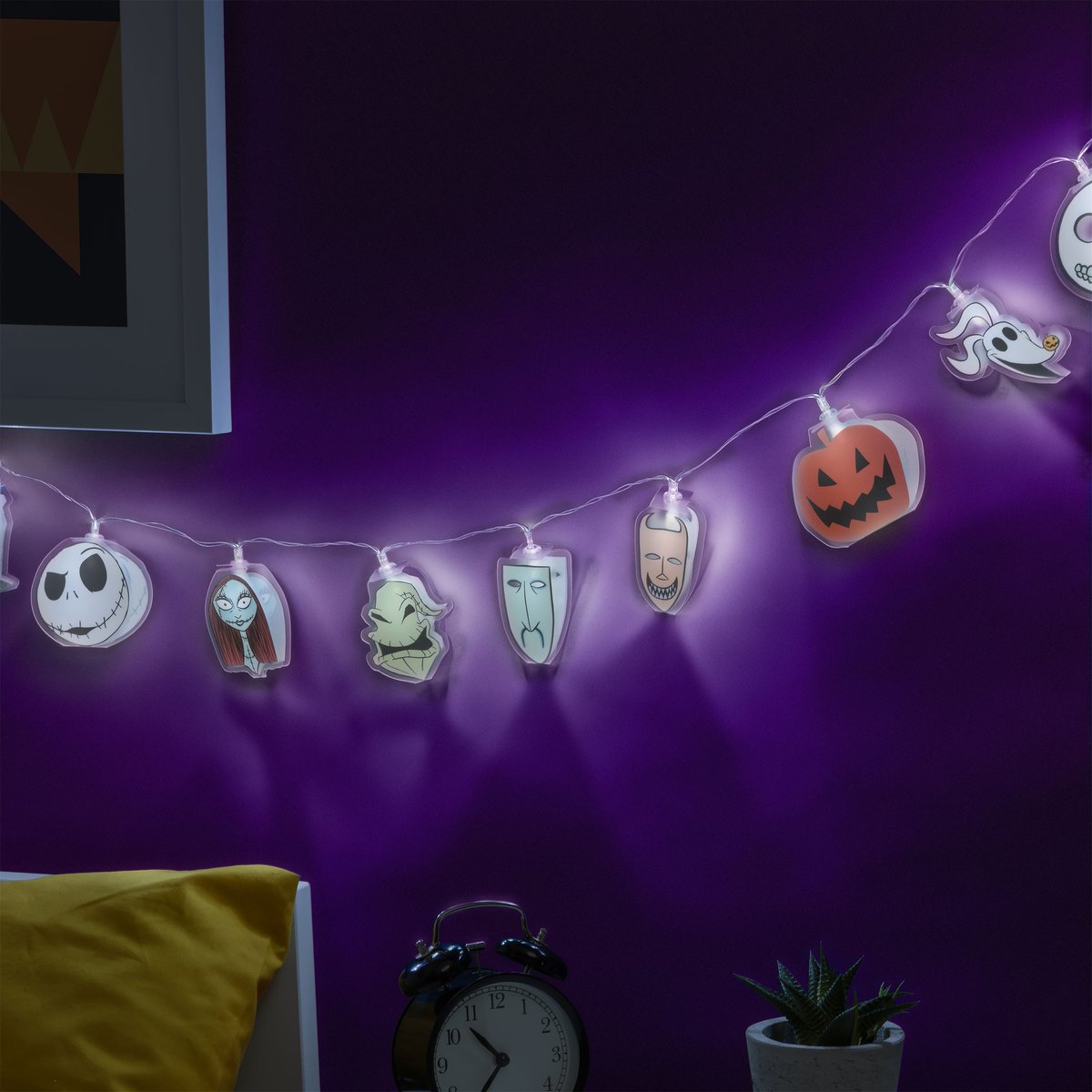
From the moment Jack Skellington first tumbles through a tree-shaped door into a world of sparkling snow and bright lights, the core holiday identity of The Nightmare Before Christmas becomes a fascinating, often debated, blend of Halloween and Christmas. This isn't merely a film that happens to be watched during two distinct seasons; it's a gothic fairytale meticulously crafted to embody the spirit of both, creating something entirely new and enduringly beloved.
Forget trying to pigeonhole it into a single calendar slot. This stop-motion masterpiece, born from the inventive mind of Tim Burton and brought to life by director Henry Selick, revels in its duality. It’s a story about the thrilling chaos of Halloween colliding head-on with the cozy wonder of Christmas, all wrapped up in a narrative of self-discovery and the messy beauty of cultural exchange.
At a Glance: Understanding The Nightmare Before Christmas's Dual Identity
- A Unique Hybrid: Not just a Halloween or Christmas movie, but a masterful fusion of both, embracing macabre aesthetics with heartwarming themes.
- Jack's Existential Crisis: The plot centers on Jack Skellington's search for purpose beyond his Halloween routine, leading him to discover and misunderstand Christmas.
- Themes of Identity & Belonging: The film explores finding true fulfillment by embracing one's authentic self, rather than imitating others.
- Groundbreaking Stop-Motion: Its distinctive visual style and painstaking animation took over three years, setting new standards for the medium.
- Cultural Phenomenon: Initially a modest success, it has become a cherished classic, sparking annual debates about its primary holiday affiliation while enjoying popularity across both seasons.
The Great Holiday Debate: A Film for Both Worlds
You know the question. Every year, as October turns to November, it inevitably pops up: "Is The Nightmare Before Christmas a Halloween movie or a Christmas movie?" The answer, as satisfyingly complex as the film itself, is both—and neither. While director Henry Selick has famously stated he considers it a Halloween film, its enduring appeal across both holidays speaks to a deeper, more nuanced identity.
This isn't just about viewership habits; it's embedded in the very fabric of the story. The film's brilliance lies in its ability to simultaneously celebrate the spooky charm of Halloween and the joyful spirit of Christmas, then explore what happens when those worlds collide. It captures the essence of Halloween's playful scares, mischievousness, and gothic aesthetic, while simultaneously delivering Christmas's sense of wonder, generosity, and community—albeit through a delightfully twisted lens.
The journey of Jack Skellington, the Pumpkin King of Halloween Town, is the perfect vehicle for this exploration. Weary of his monotonous success, Jack stumbles upon Christmas Town, a vibrant world of cheer and goodwill. His subsequent obsession and misguided attempt to "improve" Christmas—by filtering it through a Halloween sensibility—forms the core narrative, directly addressing the tension and potential harmony between these two holiday ideals. This direct confrontation with distinct holiday traditions is precisely why the film's identity can't be neatly categorized; it demands a conversation about what makes each holiday unique and what happens when they intersect. For a deeper dive into the specifics of this annual discussion, you might find our analysis on whether Nightmare Before Christmas is primarily a Halloween movie quite insightful.
Jack's Journey: A Tale of Two Holiday Worlds
At its heart, The Nightmare Before Christmas is Jack Skellington's odyssey—a gothic hero's quest for purpose that accidentally unravels the fabric of two distinct holiday realities. To truly grasp the film's dual identity, we must trace Jack's path and understand the unique worlds he inhabits and ultimately tries to merge.
Halloween Town: The Macabre Heart
Halloween Town is pure gothic delight. It's a world where every inhabitant, from the skeletal Jack to the ghastly Mayor, breathes spooky artistry. Its aesthetic is a masterful blend of German Expressionism and classic horror, populated by vampires, werewolves, ghosts, and ghouls who find joy in fright. Here, the essence of Halloween isn't just about scares, but about creativity, community, and the celebration of the bizarre.
Jack Skellington is their undisputed leader, the "Pumpkin King," a master of fright and a "demon of light." He orchestrates the town's annual Halloween celebration with effortless panache. Yet, beneath the adulation and success, a profound weariness gnaws at him. He's bored with being the best; his life has become a predictable, albeit spectacular, routine. This existential ennui is the catalyst for his entire adventure, a feeling many can relate to regardless of the season.
Christmas Town: The Dazzling Allure
Jack's accidental discovery of the Doors to Holiday Worlds—a powerful symbol of diverse cultures and possibilities—leads him to Christmas Town. This world is a dazzling antithesis to Halloween Town: bright, colorful, and filled with warmth. It's a place of twinkling lights, cheerful elves, and the joyous spirit of gift-giving, captivating Jack's imagination.
He's not just intrigued; he's obsessed. Christmas presents a new challenge, a fresh perspective, a potential remedy for his deep-seated boredom. He sees the efficiency of Santa's workshop, the widespread cheer, and the universal appeal, mistakenly believing he can replicate this magic. His naive optimism is perfectly encapsulated when he declares, "Just because I cannot see it, doesn't mean I can't believe it!" This moment marks the true beginning of the holiday clash.
The Misinterpretation and Its Hilariously Disastrous Consequences
Jack's ambition to take over Christmas is born from fascination, not malice. He genuinely believes he can improve it, but his Halloween lens fundamentally distorts his understanding. He reinterprets Santa's reindeers as skeletal deer, creates monstrous toys, and dresses in a ghoulish Santa suit. The results are predictably chaotic and hilariously disastrous, terrifying the children of the human world and leading to military intervention.
This disastrous takeover serves as a powerful narrative device: it highlights the distinct, irreconcilable differences between the two holidays when one tries to impose its identity on the other. It's a cautionary tale against cultural appropriation—attempting to replicate an experience without understanding its true spirit. Jack's failure isn't a judgment on Halloween; it's a testament to the fact that genuine connection and appreciation require understanding and respect for unique traditions.
Themes that Transcend Seasons: Why It Resonates Year-Round
Beyond the literal collision of holidays, The Nightmare Before Christmas delves into universal themes that give it a timeless quality, ensuring its resonance far beyond any single holiday season. These are the core ideas that bind its macabre aesthetic to its heartwarming narrative.
Self-Discovery and Embracing Identity
Jack Skellington's journey is a profound exploration of identity. Despite being beloved and successful, he feels an emptiness, a longing for something more. He mistakenly believes this "something" lies in becoming Santa Claus. His arc takes him from beloved leader to misguided mimic, through spectacular failure, and finally to a renewed understanding and appreciation of his true purpose: being the Pumpkin King.
The film teaches us that true fulfillment comes from understanding and embracing our unique talents and our authentic selves, not from imitating others. Jack's return to Halloween Town, revitalized by his rediscovery of his own holiday's spirit, underscores this beautifully. His "What's This?" awe for Christmas ultimately leads him back to a passionate "This is Halloween!"
Cultural Exchange vs. Appropriation
Jack's attempt to "do" Christmas is a textbook example of cultural appropriation. He adopts the symbols and mechanics of Christmas without truly grasping its underlying spirit of joy, generosity, and peace. The result is not an improved Christmas, but a terrifying, distorted version.
The film subtly contrasts this with Santa's actions. After Jack's folly, Santa saves Christmas, but then brings snow to Halloween Town. This isn't an imposition; it's a gift, a respectful sharing of a beautiful tradition that enhances Halloween Town without altering its core identity. This moment suggests that genuine cultural exchange, based on mutual respect and understanding, can enrich both parties, unlike Jack's well-intentioned but ultimately appropriative endeavor.
Finding Meaning Beyond the Routine
Jack's initial boredom, despite his immense success as the Pumpkin King, speaks to a universal human experience: the search for meaning beyond the mundane. He's at the top of his game, yet feels unfulfilled. His quest, though misguided, is fundamentally about finding renewed passion and purpose.
The film suggests that meaning can often be found not by completely abandoning our roles, but by approaching them with fresh eyes and a renewed sense of wonder. Jack's rediscovery of his love for fright, invigorated by his Christmas experience, shows that new perspectives can bring vibrant life back to established routines.
Genuine Connection: The Quiet Strength of Jack and Sally
Amidst the grand spectacle of holiday chaos, the film weaves in a tender love story between Jack and Sally, the intelligent rag doll created by Dr. Finkelstein. Sally represents intuition and grounded wisdom, sensing Jack's plan will lead to disaster. Her unwavering love and attempts to warn him highlight the importance of listening to those who truly understand us.
Their relationship is built on mutual understanding and acceptance. Sally loves Jack for who he is, even his flaws, and her support ultimately helps him recognize his mistakes. Their eventual union on Spiral Hill, confessing "we're simply meant to be," isn't just a romantic resolution; it's a testament to the strength found in genuine connection, shared vulnerabilities, and the acceptance of each other's unique identities.
Artistry and Atmosphere: The Visual Language of Blending
The film's core identity isn't just in its narrative themes, but profoundly in its visual and auditory tapestry. The artistic choices made during its over three-year production are what allow the seamless, yet striking, blend of holiday aesthetics to coexist.
The Stop-Motion Magic
The Nightmare Before Christmas is a pioneering achievement in stop-motion animation. Directed by Henry Selick, the film required an astounding week of filming for just one minute of footage. This meticulous process allowed for an incredible level of detail and character expression, giving the macabre denizens of Halloween Town a tangible, lifelike quality, and Christmas Town a vibrant, almost tactile cheer.
The stop-motion technique itself lends a dreamlike, handcrafted quality that suits the fairytale narrative. It feels like a story told through lovingly manipulated puppets, bridging the gap between child-like wonder and gothic fantasy.
Gothic Aesthetic Meets Whimsy
Tim Burton's signature aesthetic, heavily influenced by German Expressionism, permeates every frame of Halloween Town. The crooked lines, stark contrasts, and shadowy landscapes create an atmosphere of delightful dread. Yet, within this gothic framework, there's a surprising whimsy—the residents are friendly, the scares are playful, and the overall mood is one of joyous macabre.
When Christmas Town appears, the contrast is deliberate and breathtaking. Bright, primary colors, soft edges, and abundant light create an entirely different visual language. The film’s brilliance is in its ability to transition between these two distinct styles, and even to fuse them, such as when Jack brings his Halloween vision to Christmas. This visual blend is key to the film's identity, proving that seemingly opposing aesthetics can not only coexist but enhance each other.
Danny Elfman's Iconic Score
Danny Elfman's musical score is arguably the third main character in the film's holiday identity. His songs expertly weave between jaunty Halloween anthems like "This Is Halloween" and melancholic ballads like "Sally's Song," then transition to the bright, carol-like wonder of "What's This?"
Elfman's music doesn't just underscore the narrative; it actively participates in the blend. The score allows the audience to feel the unsettling charm of Halloween, the pure wonder of Christmas, and the emotional complexities of Jack's journey, often within the same piece. The iconic melodies are instantly recognizable and contribute massively to the film's unique, unforgettable atmosphere.
The Characters: Embodiments of Duality
The characters themselves are not just inhabitants of their respective worlds; many embody the very duality that defines the film's holiday identity. Their motivations and arcs further illuminate the central tension and eventual harmony between Halloween and Christmas.
Jack Skellington: The Pumpkin King with a Christmas Dream
Jack is the ultimate representation of the film's dual identity. He is the master of fright, a character who thrives on the macabre and the theatrical scares of Halloween. Yet, he yearns for something more, for the joy and wonder he glimpses in Christmas. His arc is a full circle: from unfulfilled Pumpkin King to misguided Christmas imposter, and finally, back to a revitalized Pumpkin King, now with a deeper appreciation for his own purpose, subtly enriched by his Christmas experience. He learns that his "demon of light" persona is his true calling, even if it can be a "master of fright."
Sally: The Voice of Reason and Resilient Love
Sally, a rag doll created by the tyrannical Dr. Finkelstein, represents intuition, quiet strength, and genuine love. She foresees disaster in Jack's Christmas plans, her "something in the wind" sensing tragedy. Despite her timid nature and constant imprisonment, she actively works to protect Jack and Christmas, even risking her own safety. Her character symbolizes resilience and the power of genuine foresight. She's a gothic creation who embodies a very traditional, selfless love, a perfect bridge between the two holiday spirits. Her stitches, often pulled out for escape and sewn back up with a deadly nightshade-filled needle, are a poignant symbol of her constant struggle for freedom and agency.
Oogie Boogie: The Purely Macabre Element
Oogie Boogie, the film's primary antagonist, is pure Halloween—specifically, its darker, more malevolent side. Driven by sadism and a love of gambling, he adds peril and represents the extreme end of Halloween Town's spectrum. He's a static villain, a sack of bugs, whose defeat signifies the triumph of both Jack's renewed identity and the safe return of Santa Claus. He serves as a contrast to Jack's well-intentioned, if misguided, actions, highlighting that even in Halloween Town, there are degrees of darkness.
Dr. Finkelstein: The Static Obstacle
Sally's creator, Dr. Finkelstein, embodies tyrannical control and isolation. His motivation to keep Sally captive is for companionship, yet his methods are cruel. He serves as a static obstacle to Sally's freedom, and his eventual creation of a new female companion at the end suggests a minor shift in his focus, freeing Sally to pursue her own path.
Symbols and Motifs: Weaving the Worlds Together
The film uses a rich tapestry of symbols and motifs to subtly and overtly blend its two holiday identities, offering visual cues that underscore the narrative's central themes.
Spiral Hill: Introspection and Connection
The iconic Spiral Hill, where Jack often goes to brood and later where he and Sally confess their love, is more than just a striking visual. It symbolizes Jack's convoluted path to self-discovery, his introspection, and the twists and turns of his journey. Ultimately, it becomes a beacon of romantic connection, representing the merging of two souls, much like the film merges two holidays. When Santa brings snow to Halloween Town, coating Spiral Hill, it signifies the peaceful coexistence and beauty found in blending.
Doors to Holiday Worlds: New Perspectives
The clearing with the Doors to Holiday Worlds is the literal gateway to the film's premise. Each door, shaped like a specific holiday symbol (Christmas tree, jack-o'-lantern, shamrock, etc.), represents diverse cultures, perspectives, and new possibilities. Jack's initial fascination with the Christmas tree door sets his adventure in motion, embodying the allure of the unknown and the potential for new experiences.
Sally's Stitched Nature: Constraint and Resilience
Sally's stitched-together form is a powerful symbol of constraint and control by her creator. Her frequent need to pull out stitches to escape and then sew herself back up with her deadly nightshade-filled needle speaks volumes about her resilience, determination, and pursuit of agency. She is a being literally pieced together, much like the film itself stitches together disparate elements to create a harmonious whole.
An Enduring Legacy: A Film for All Seasons (and Reasons)
From its modest origins to its current status as a cultural behemoth, The Nightmare Before Christmas has forged an undeniable legacy. This lasting impact is a testament to its unique identity, one that transcends seasonal viewing habits and resonates deeply with diverse audiences.
Cultural Phenomenon and Icon Status
Initially a moderate box office success, the film exploded into a massive cultural phenomenon through home video, merchandise, and consistent re-screenings. Jack Skellington, in particular, has become an icon, especially within goth and alternative subcultures, symbolizing a gentle outsider who embraces his unique identity. His image, alongside Sally's, is ubiquitous, gracing everything from t-shirts to household decor, particularly prominent at stores like Hot Topic. This pervasive presence across retail, year-round, further cements its dual holiday identity.
Artistic Influence and Accolades
The Nightmare Before Christmas's gothic, German Expressionism-inspired visual style was groundbreaking. It pioneered sophisticated stop-motion techniques that influenced subsequent animated films like Selick's own Coraline and Burton's Corpse Bride.
Its artistic merit didn't go unnoticed. The film was nominated for an Academy Award for Best Visual Effects—a first for an animated film. More recently, in 2023, it was selected for preservation in the United States National Film Registry by the Library of Congress for being "culturally, historically, or aesthetically significant," solidifying its place in cinematic history.
Audience Reception: Why It Sticks
Audience reception has been overwhelmingly positive, praising its unique visuals, Danny Elfman's unforgettable songs, the macabre yet endearing characters, and the heartfelt Jack-Sally love story. While some initial critics found it perhaps "too dark for Disney," it has since been embraced as a stop-motion masterpiece that pushes boundaries. Its ability to marry scares with sentiment, dread with delight, ensures it appeals to those who appreciate both the spookiness of Halloween and the warmth of Christmas, making it a true cross-generational, cross-holiday favorite.
Embracing the Blend: The Film's True Identity
So, what is the core holiday identity of The Nightmare Before Christmas? It's not a choice between Halloween or Christmas, but a triumphant embrace of the blend. It's a film that argues for the beauty of duality, showing us that our identities can be multifaceted, drawing strength and character from seemingly disparate elements.
Jack's journey, the film's pioneering artistry, and its enduring legacy all point to a singular truth: this movie exists in a category of its own. It's the rare narrative that celebrates the joy of being spooked and the wonder of receiving a gift. It validates the outsider while championing connection. It’s a gothic fairytale that teaches us to appreciate our true selves and respect the unique magic of others, whether they celebrate with screams or silent nights.
Ultimately, The Nightmare Before Christmas is a film that expands our definition of "holiday." It offers a space where fright and festive cheer can coexist, where personal discovery is wrapped in macabre bows and twinkling lights. It teaches us that perhaps the most meaningful celebrations are those that aren't afraid to mix a little bit of darkness with their light, creating a truly unique and unforgettable experience.