Few films spark as much delightful debate year after year as Tim Burton's The Nightmare Before Christmas. Is it a spooky Halloween classic to be enjoyed with candy corn and costumes, or a heartwarming Christmas tale best watched with hot cocoa by the fire? For decades, fans have passionately argued the point, often finding themselves watching it during both seasons, caught between its eerie charm and festive wonder.
This enduring masterpiece beautifully blurs the lines, presenting a world where pumpkins and presents collide. But beneath the surface of singing skeletons and sleigh-riding ghouls, there’s a definitive pulse that beats stronger for one holiday over the other. Let’s unwrap the mystery and explore the many layers that define this film's true seasonal identity. To truly grasp the heart of this iconic movie, we must first confront The Core Holiday Identity of what makes it tick.
The Creators' Unmistakable Intent
Perhaps the most compelling argument comes directly from the minds that brought Halloween Town to life. Both director Henry Selick and composer Danny Elfman have publicly stated that The Nightmare Before Christmas is, without a doubt, a Halloween movie. This isn't just a casual observation; it's the foundational intent behind its creation.
Their vision infused every frame and every note with the macabre spirit of spooky season. If you're curious about the origins of this unique film and the creative process behind it, exploring Creators Intent: Tim Burton, Henry Selick, and Danny Elfman's contributions will offer invaluable insights.
Jack Skellington's Journey: A Tale Rooted in Halloween's ennui
The narrative itself is a powerful indicator. The story centers on Jack Skellington, the beloved Pumpkin King of Halloween Town, experiencing an existential crisis. He's bored with the same old scares and longs for something new. His discovery of Christmas Town is not a journey to become Christmas, but rather an attempt to infuse his Halloween world with a novel, albeit misunderstood, twist on the holiday cheer.
Jack’s quest is driven by his dissatisfaction with his role in Halloween, yet his attempts to "improve" Christmas are filtered entirely through his Halloween sensibility. He orchestrates kidnapping Santa Claus, and the "gifts" delivered by Halloween Town residents include shrunken heads and tree-eating snakes. His sleigh is pulled by skeletal reindeer, and he's shot down over a cemetery – hardly traditional Christmas imagery. For a deeper understanding of his motivations and how his arc solidifies the movie's seasonal leaning, you should Dive into Jack Skellingtons character and the profound impact of his journey between these two distinct worlds.
The Visuals, Music, and Aesthetic: A Symphony of Spooky Delight
From its opening scene, The Nightmare Before Christmas immerses viewers in a distinct gothic aesthetic. The overall mood is consistently dark, delightfully dreary, and tinged with a beautiful melancholy that rarely lifts, even during Jack’s brief foray into Christmas Town. The very design of Christmas through Jack's eyes—a skeletal figure dancing among candy canes—is inherently eerie and unconventional.
The soundtrack, penned by Danny Elfman, further cements this identity. The film begins with the iconic "This is Halloween," setting an unmistakable tone. Even when referencing Christmas, the lyrics maintain a dark edge, such as "kidnap the Sandy Claws" or "throwing snowballs instead of throwing heads." These elements collectively craft an atmosphere that screams Halloween more than it whispers Christmas cheer. Readers who want to understand how every visual and auditory choice contributes to this masterpiece will find much to appreciate in Visuals, Music, and Aesthetic: Crafting a unique identity for the film.
Fan Theories and Enduring Cultural Impact
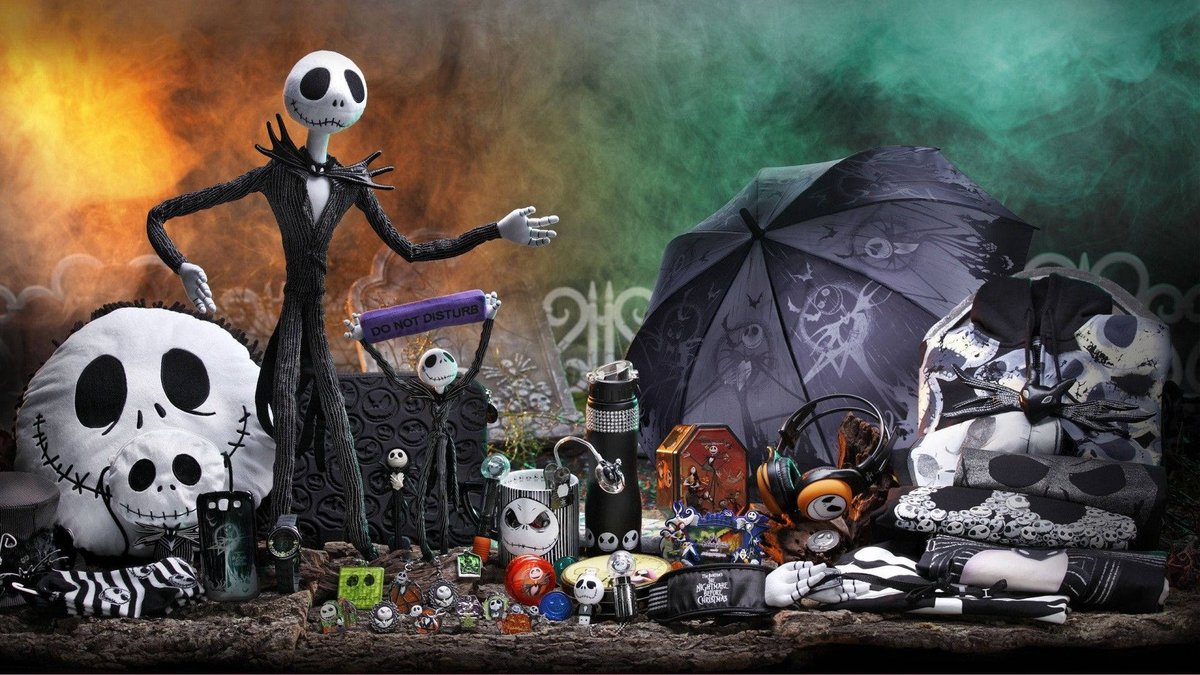
While the creators' intent and the film's narrative offer strong evidence, the movie's cultural impact is also worth noting. It’s frequently screened and celebrated during both holidays, a testament to its crossover appeal. However, walk into any novelty shop, and you'll often find Jack Skellington merchandise placed prominently among Halloween decorations. Its unique aesthetic has birthed countless fan theories and artistic interpretations, cementing its place as a cornerstone of spooky season entertainment for many.
This enduring popularity and the debates it sparks speak volumes about its powerful hold on popular culture. To discover more about how this unique film has resonated with audiences and influenced everything from fashion to theme park attractions, make sure to Explore Nightmare fan theories and impact in depth.
The Verdict: A Halloween Masterpiece
Considering the creators' explicit statements, the film's core narrative arc, and its pervasive dark aesthetic, the consensus leans heavily towards The Nightmare Before Christmas being a Halloween movie. It's a Halloween movie about a character from Halloween Town discovering (and comically misinterpreting) Christmas, rather than a Christmas movie itself. It brilliantly showcases the spirit of Halloween through a captivating story, proving that fright and wonder can coexist.
Ultimately, The Nightmare Before Christmas is a film that defies easy categorization, enchanting audiences across seasons. But at its wonderfully ghoulish heart, it remains a celebration of everything spooky, kooky, and delightfully grim. It’s an invitation to embrace the unexpected and find beauty in the unconventional, no matter the time of year.