Thirty years on, "The Nightmare Before Christmas" isn't just a movie; it's a cultural institution, a masterclass in stop-motion animation, and a fertile ground for "Fan Theories and Cultural Impact: The Nightmare Before Christmas's Place in Pop Culture" continues to shape how we view animation, genre, and the very act of fandom. From heated debates over its seasonal identity to intricate character analyses and expansive merchandising, this film remains a potent, enduring force.
Whether you're a lifelong devotee of the Pumpkin King or simply curious about its enduring appeal, you’ve likely felt the gravitational pull of its unique charm. Let's unwrap why this peculiar, macabre musical has captivated generations and continues to inspire endless discussion and creative expression.
At a Glance: Why Nightmare Before Christmas Still Haunts Our Imagination
- A Stop-Motion Milestone: It revolutionized animation, blending artistry with technological innovation.
- Genre-Bending Brilliance: Seamlessly fuses musical, fairy tale, horror, and family film elements.
- A Fandom Powerhouse: Boasts a dedicated global following, inspiring extensive fan theories, cosplay, and transformative works.
- Seasonal Icon: Sparks ongoing debates about its true allegiance to Halloween or Christmas, dominating merchandise for both.
- Cultural Touchstone: Influences everything from fashion and music to theme park attractions and broader gothic-inspired narratives.
- Authorship Intrigue: Navigates complex discussions about the creative contributions of Tim Burton, Henry Selick, and Danny Elfman.
Beyond the Pumpkin King: A Cultural Phenomenon Explained
When "The Nightmare Before Christmas" first premiered in 1993, it arrived under Disney’s Touchstone banner, a strategic move by the studio reportedly nervous that its art-house animation style might ruffle its family-friendly reputation. Yet, almost immediately, the film proved to be an unexpected triumph. Fast forward three decades, and any initial apprehension has long vanished; Disney has wholeheartedly reclaimed it, transforming it into a cherished family favorite and a truly global cult phenomenon.
It's a testament to the film's singular vision that it resonates across so many different audiences. What started as a daring experiment has blossomed into a beloved cultural object, sustaining a dedicated fandom and fueling an extensive merchandising empire that shows no signs of slowing down.
More Than Just a Movie: A Milestone in Animation
At its core, "The Nightmare Before Christmas" is a story brought to life with painstaking care through stop-motion animation. Directed by Henry Selick, the film was a significant technological leap forward for the medium. Each frame, each subtle movement, required meticulous physical manipulation, resulting in a distinct visual texture and depth rarely seen at the time.
This isn't just about technical prowess, though. The film's unique aesthetic—a gothic wonderland populated by expressive, endearing monsters—influenced a generation of artists and filmmakers. It proved that animation could be sophisticated, dark, and emotionally complex, paving the way for subsequent horror- and gothic-inspired narratives in animated cinema. It ignited crucial debates about the very art form of animated film and expanded the understanding of who its target audiences could be, particularly in the realm of "children's horror."
The Enduring Allure: Why We Keep Coming Back
What makes us return to Halloween Town year after year? Part of the magic lies in its masterful genre negotiation. It’s a musical with unforgettable tunes by Danny Elfman, a fairy tale with a clear hero's journey, a family film that’s genuinely heartwarming, and, perhaps most uniquely, a horror film that manages to be both spooky and sweet. This blend challenges traditional boundaries, making it palatable for diverse tastes while offering layers of interpretation for adult viewers.
The film grapples with universal themes: the search for purpose, the joy of discovery, the complexities of identity, and the desire to belong. Jack Skellington's existential crisis, Sally's quiet bravery, and the vibrant, albeit spooky, community of Halloween Town offer rich emotional landscapes that resonate whether you're 8 or 80. This timelessness is a key ingredient in its sustained popularity, fostering a deep, almost nostalgic connection for many.
The Whispers and What-Ifs: Diving into Fan Theories
A cornerstone of any enduring cultural object is its ability to inspire discussion and speculation. "The Nightmare Before Christmas" provides a particularly fertile ground for this, with fans dissecting every frame, lyric, and character motivation. These fan theories aren't just idle chatter; they deepen engagement, foster community, and add layers of meaning that even the creators might not have consciously intended.
Decoding Jack's World: Common Interpretations
Fans love to ponder the deeper meanings behind the film's narrative. Here are a few popular theories that frequently surface in online forums and convention discussions:
- Jack's Existential Crisis: Many interpret Jack's ennui not just as boredom with Halloween, but as a metaphor for a profound mid-life crisis or even depression. He's a creative soul stifled by routine, seeking something more, even if he doesn't fully understand what it is. His journey to find new purpose, culminating in his return to his true self, resonates deeply with anyone who has felt lost or unfulfilled.
- The Shared "Burton-verse": Given Tim Burton's distinctive aesthetic and recurring themes, some fans speculate that Nightmare exists within a larger "Burton-verse," possibly sharing narrative DNA or symbolic connections with films like Beetlejuice or Edward Scissorhands. While never officially confirmed, the stylistic similarities fuel imaginative crossovers and timelines.
- Sally's Premonitions and Agency: Sally, often seen as a romantic interest, is more than that for many fans. Her prophetic visions are crucial to the plot, warning Jack of impending doom. Theorists often highlight her quiet strength and intelligence, arguing that she is the true unsung hero, constantly trying to steer Jack from catastrophe and demonstrating remarkable agency despite her creator, Dr. Finkelstein.
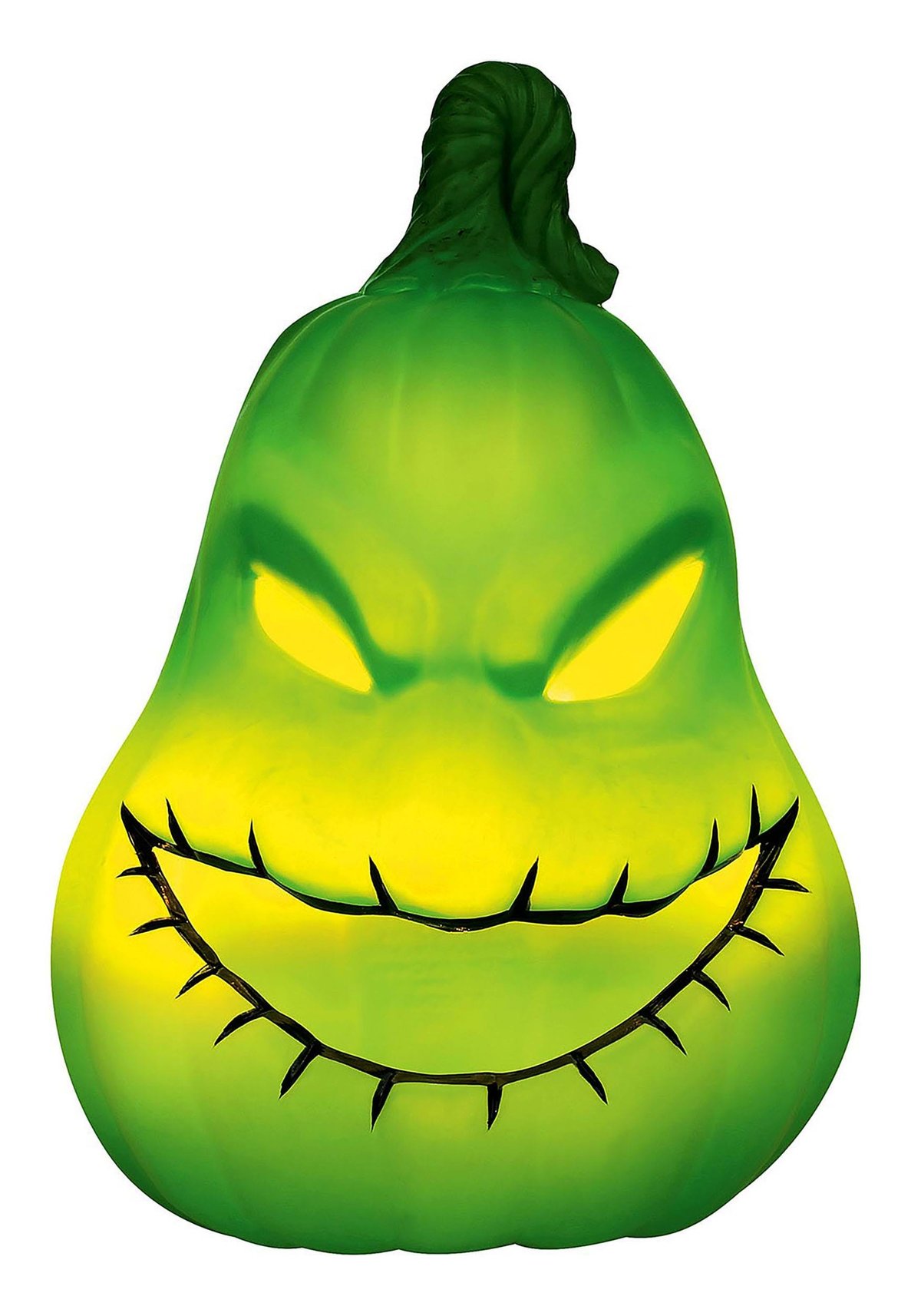
- Oogie Boogie's True Nature: Is Oogie Boogie merely a monstrous burlap sack, or something more? Some theories suggest he embodies pure, chaotic evil, perhaps a manifestation of fear itself, or a dark representation of addiction, specifically gambling (given his dice-rolling tendencies and lair). His existence provides a stark moral counterpoint to the well-meaning, if misguided, residents of Halloween Town.
The Joy of Speculation: How Theories Deepen Engagement
These discussions aren't just academic exercises; they're acts of co-creation. Fan theories transform passive viewing into active participation. They encourage critical thinking about narrative structure, character development, and thematic depth. When you delve into fan theories, you’re not just watching a story; you’re engaging with it, questioning its assumptions, and contributing to its ongoing evolution within the cultural consciousness.
This "textual production," as scholars like Rebecca Williams might describe it, extends the film's life far beyond its runtime. It builds communities, sparks friendships, and provides an avenue for creative expression, whether through detailed essays, fan fiction, or elaborate cosplay that brings these interpretations to life.
A Seasonal Showdown: Christmas vs. Halloween
One of the most enduring, and often passionately debated, aspects of "The Nightmare Before Christmas" is its seasonal identity. Is it a Halloween movie? A Christmas movie? Or does it defy such simple categorization? This question isn't just about scheduling your annual re-watch; it's central to the film's unique brand and cultural positioning.
Which Holiday Reigns Supreme?
The film explicitly centers on Jack's desire to understand and "take over" Christmas, viewing it through his Halloween-tinted lens. It delves into the iconography of both holidays, juxtaposing the joyful, bright imagery of Christmas with the spooky, playful macabre of Halloween. Jack’s misinterpretation of Christmas ultimately highlights the distinct essence of each celebration.
Many argue the film's core aesthetic, character design, and initial setting firmly plant it in the Halloween camp. It's a world populated by monsters, ghosts, and ghouls, celebrating fear and fright. However, the narrative arc, with its focus on Christmas Eve, Santa Claus, and the spirit of giving (albeit a twisted version), undeniably ties it to the winter holiday. The debate is so prevalent that it's often the first question new fans ask, making the question, Is it about Halloween? a recurring topic of discussion. The truth, perhaps, is that it's a bridge between the two, a celebration of the liminal space where spooky joy meets festive cheer.
The Merchandising Machine: Dual-Season Domination
This seasonal ambiguity has been a boon for its extensive merchandise. Disney and its partners skillfully leverage the film's dual appeal, releasing themed products for both holidays. Come October, you'll find Jack Skellington pumpkins and ghoulish decor. By December, he's sporting a Santa hat on ornaments and festive apparel.
This strategic branding extends beyond simple retail. Live events, such as themed nights at Disney's Haunted Mansion attraction (transforming into "Haunted Mansion Holiday" with Nightmare characters), or pop-up "Beetle House" restaurants, expertly weave the film into both seasonal celebrations. This dual-season domination has cemented Nightmare Before Christmas as an evergreen property, perpetually relevant no matter the time of year.
Beyond the Screen: Its Gargantuan Cultural Footprint
The influence of "The Nightmare Before Christmas" extends far beyond the silver screen, permeating various aspects of pop culture and shaping how we interact with media. It's a testament to its powerful imagery and compelling themes that it continues to leave such a deep imprint.
A Stop-Motion Revolution and Its Legacy
Henry Selick's direction marked a pivotal moment for stop-motion animation. Before Nightmare, stop-motion was often seen as niche or quaint. Selick, working with Tim Burton's vision, elevated it to a high art form capable of expressing complex narratives and intricate characterizations. The film's commercial and critical success opened doors for subsequent stop-motion features, influencing films like Selick's own Coraline, James and the Giant Peach, and Laika's entire body of work. It demonstrated that painstakingly crafted practical effects could rival, and in many ways surpass, the emerging CGI.
This technological and artistic development helped fuel broader discussions about animation as a legitimate art form, not just a genre exclusively for children. It pushed the boundaries of what was possible, inspiring a new generation of animators and filmmakers to embrace the tactile beauty of hand-crafted storytelling.
Fandom's Embrace: Subcultures and Self-Expression
For many, Nightmare Before Christmas isn't just a film; it's a lifestyle. Its gothic aesthetic and themes of individuality and finding belonging resonated deeply with various subcultures, particularly in the Goth and emo scenes. Jack, Sally, and their world offered a visual language for those who felt like outsiders, celebrating the beauty in darkness and difference.
This connection manifests in myriad fan practices:
- Fashion and Makeup: From full-face Sally makeup tutorials to subtle Jack Skellington accessories, the film's style is a perennial inspiration. Brands continually release clothing lines, jewelry, and cosmetics inspired by the characters.
- Cosplay: At conventions worldwide, Jack and Sally remain iconic cosplay choices. Fans meticulously recreate costumes, embodying the characters with incredible detail and passion, making it a staple of the cosplay scene.
- Textual Production and Transformative Works: Beyond theories, fans produce a wealth of creative content—fan fiction, fan art, alternate universe stories, and even musical covers—that extends the film's narrative. This active participation showcases the depth of engagement and emotional investment within the fandom.
- Transcultural Fandom: Its appeal transcends geographical boundaries. From manga adaptations in Japan to merchandise in Europe, Nightmare Before Christmas enjoys a truly global following, demonstrating the universal resonance of its themes.
Experiential Worlds: From Theme Parks to Themed Dinners
The film's immersive world lends itself perfectly to experiential events. Disney, ever keen on expanding its intellectual property, has masterfully integrated Nightmare Before Christmas into its theme parks, most notably through the aforementioned "Haunted Mansion Holiday" overlay at Disneyland and Disney World during the Halloween and Christmas seasons.
Beyond the parks, live concerts featuring Danny Elfman performing the score, art exhibitions showcasing original puppets and concept art, and independent restaurants like the "Beetle House" (inspired by Burton's works, with a strong Nightmare presence) all contribute to a rich tapestry of ways to engage with the film. These events allow fans to step directly into the world they love, transforming passive appreciation into active, sensory experiences.
The Art of Authorship: Who Really Made Halloween Town Sing?
While often credited singularly to "Tim Burton's The Nightmare Before Christmas," the film's creation was a complex collaborative effort, leading to ongoing "authorship debates" within scholarly circles and among fans. Understanding these contributions enriches our appreciation of the final product.
The Burton/Selick/Elfman/Disney Dynamic
- Tim Burton's Vision: Burton conceived the original poem and characters during his time as a Disney animator. His signature gothic aesthetic and themes of alienation and misunderstood outcasts are undeniably the film's foundational blueprint. He served as producer, heavily influencing the overall tone and visual style.
- Henry Selick's Direction: While Burton developed the concept, it was director Henry Selick who meticulously brought it to life. Selick's expertise in stop-motion animation, his keen eye for detail, and his steady hand were crucial in translating Burton's 2D drawings into a fully realized, three-dimensional world. His directorial genius is evident in every expressive puppet movement and dynamic camera shot.
- Danny Elfman's Music: The film’s iconic score and songs, composed by Danny Elfman, are arguably its heartbeat. Elfman not only wrote the music and lyrics but also provided Jack Skellington's singing voice. His distinct blend of carnival-esque macabre and soaring orchestral themes is inseparable from the film's identity, giving it an emotional depth and narrative propulsion that few animated musicals achieve.
- Disney's Role: Released under the Touchstone banner, Disney’s initial reluctance to fully embrace the film due to its dark themes is well-documented. However, their eventual reclamation and aggressive marketing played a massive role in its global penetration and lasting cultural impact. The studio provided the resources and platform, ultimately integrating it into its vast merchandising and experiential empire.
These overlapping contributions highlight that major creative works are often the product of many brilliant minds converging. While Burton's initial vision is foundational, Selick's execution, Elfman's musical genius, and Disney's eventual marketing might all played indispensable roles in creating the enduring classic we know today.
Why It Still Haunts Us (in a Good Way): The Film's Lasting Power
Thirty years is a long time in pop culture, yet Nightmare Before Christmas remains not just relevant, but ever-present. Its anniversary isn't just a moment for nostalgia; it’s a chance to reaffirm its status as a vital piece of cinematic and cultural history.
Nostalgia, Relevance, and the Allure of the Macabre
The film masterfully taps into a unique vein of nostalgia. For those who grew up with it, it's a touchstone of childhood, a slightly edgy, wonderfully imaginative escape. For new generations, its timeless themes ensure it feels fresh and resonant.
It also tackles the intriguing question of "children's horror animation" with grace. It manages to be spooky without being truly terrifying, playfully dark without being disturbing. This delicate balance allows it to explore themes of fear, otherness, and even self-doubt in a way that’s accessible and ultimately reassuring for young audiences. It teaches that even the monsters of Halloween Town have hearts, and that being different can be a superpower.
Moreover, its core messages—the search for identity, the importance of staying true to oneself, and the acceptance of different perspectives—remain profoundly relevant. Jack's journey is a universal one, and its gothic charm offers a compelling lens through which to explore these human experiences.
A Pillar of Pop Culture, Indisputably
"The Nightmare Before Christmas" has transcended its origins as an animated film to become a true pillar of pop culture. It serves as a crucial reference for genre negotiation, constantly blurring the lines between mainstream and niche cultures. Its impact on animation, merchandising, and fan culture is undeniable, setting benchmarks and inspiring countless imitators.
From its stunning stop-motion artistry to its unforgettable songs and its vibrant, dedicated fandom, this film continues to cast a long, captivating shadow. It's a reminder that truly unique visions, when executed with passion and precision, can resonate for decades, sparking conversations, fostering creativity, and enriching our collective cultural landscape.
Your Next Deep Dive: Continuing the Conversation
The enduring magic of "The Nightmare Before Christmas" isn't just found in watching the film itself, but in the ongoing conversation it inspires. Whether you're exploring fan theories, dissecting its seasonal identity, or marveling at its animation legacy, there's always more to uncover.
Consider revisiting the film with a fresh eye, paying attention to the details discussed here. Engage with online communities, read some of the scholarly inquiries being compiled (like those in Bloomsbury’s Key Film/Filmmakers in Animation series), or simply appreciate the ubiquitous merchandise that brings a piece of Halloween Town into your everyday. The story of Jack Skellington's adventures is a rich tapestry, and your engagement is what keeps its threads vibrant and new. The conversation is far from over—and that's exactly how the Pumpkin King would want it.