Jack Skellington's Grand Adventure: A Character Analysis Revealing His Journey Between Worlds
When we talk about characters who resonate deeply, few stand as tall and gaunt as Jack Skellington. He's more than just a spooky icon; his story is a poignant Character Analysis: Jack Skellington's Journey Between Worlds, a timeless tale of self-discovery that transcends holiday genres and speaks to the universal human (or skeleton) desire for purpose. From his initial debut in 1993, Walt Disney’s stop-motion masterpiece, The Nightmare Before Christmas, has captivated audiences of all ages, offering a complex protagonist we can't help but root for.
Crafted from an initial poem by Tim Burton and brought to life by director Henry Selick, Jack’s journey through the vibrant chaos of Halloween Town and the sparkling wonder of Christmas Town isn't merely a whimsical fantasy; it’s a profound exploration of identity, ambition, and the true meaning of belonging.
At a Glance: What You'll Discover About Jack
Before we dive deep, here’s a quick overview of the insights waiting for you in this character analysis:
- Beyond the "Monster": Jack is initially the terrifying Pumpkin King but quickly reveals a deeply human desire for meaning and novelty.
- The Weight of Monotony: His journey begins with an existential crisis—boredom with his perfect, yet repetitive, life.
- A Leap of Curiosity: He actively seeks "something more," leading him to the accidental discovery of Christmas Town.
- Misguided Enthusiasm: Jack’s attempt to "improve" Christmas highlights the dangers of imposing one's worldview on another.
- Emotional Depth: Unlike typical literary monsters, Jack experiences a rich spectrum of emotions, from wonder and joy to frustration, regret, and empathy.
- The Path to Self-Acceptance: His arc culminates in understanding that true fulfillment comes from embracing his authentic self, not mimicking others.
- A Universal Hero: Jack's story mirrors classic "hero's journeys" and resonates with anyone seeking their true place in the world.
The Crown Sits Heavy: The Pumpkin King's Existential Crisis
Imagine being the absolute best at what you do. The master of scares, the monarch of fright, the Pumpkin King himself. Sounds exhilarating, doesn't it? For Jack Skellington, the most terrifying monster in Halloween Land, this perfection had become, ironically, a prison of predictability. Year after year, the same scares, the same screams, the same success. "For more than 20 years," as the Monsterliterature source notes, "this film has influenced (and continues to inspire) modern-day pop culture," precisely because it taps into a deeply relatable human dilemma: the search for purpose beyond achieved mastery.
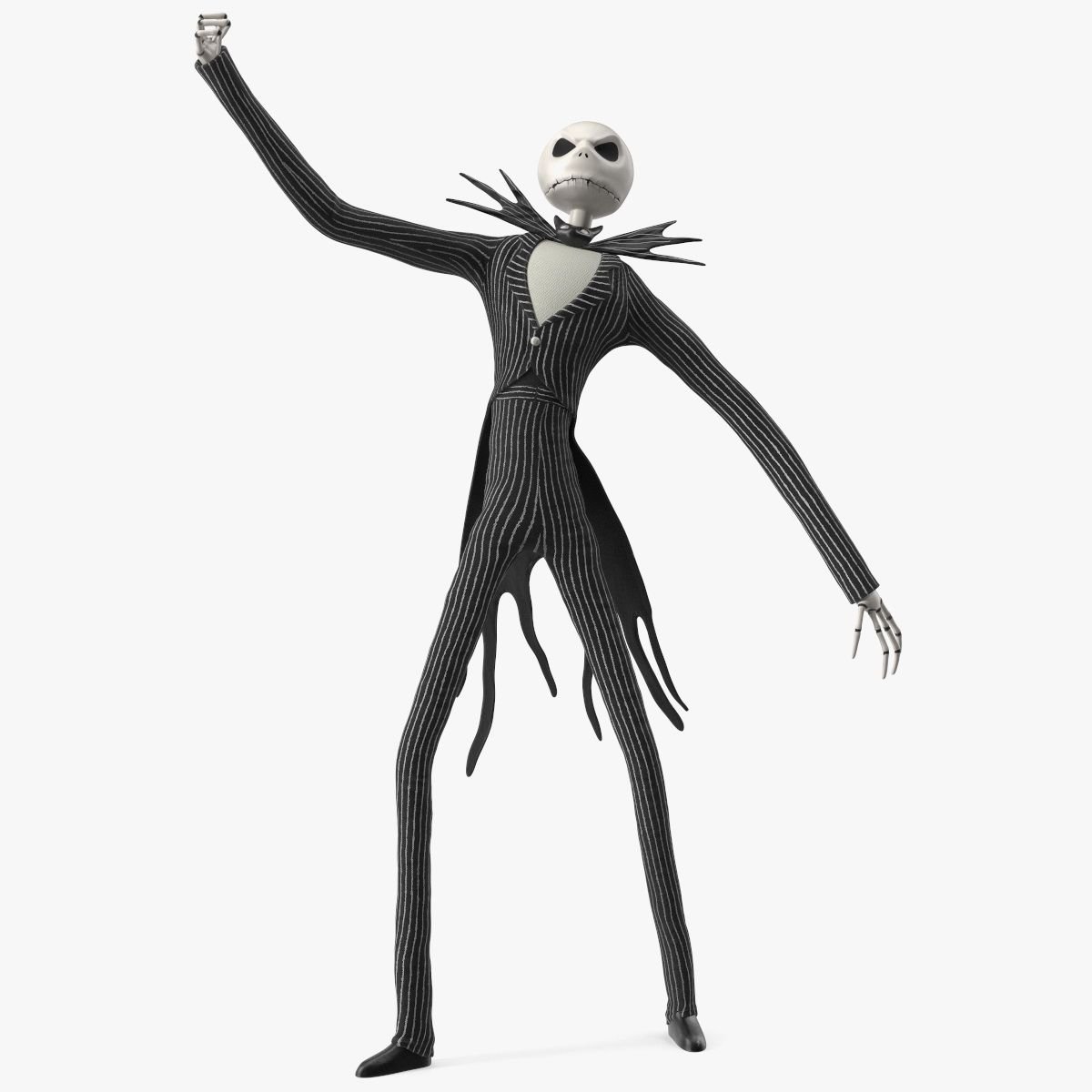
Jack is initially portrayed as the epitome of Halloween. His tall, lanky frame, his commanding presence, his ability to conjure truly spectacular frights—these are his defining characteristics. Yet, beneath the perfectly articulated bones, a weariness has settled. He experiences a crisis in the form of "severe depression and boredom over the lack of variety in his life," as the Studymode analysis aptly puts it. This isn't just a fleeting mood; it's an existential yearning for novelty, a desperate desire to escape the monotony of his celebrated existence. He's tired of being the one who strikes fear; he’s searching for "something more," a greater meaning for his life that monotonous routine can't provide.
This early portrayal sets the stage for his extraordinary journey. We see him not as a villain, but as a being burdened by his own success, seeking a spark to reignite his spirit. His "lackluster charm" for yet another Halloween signals a profound inner shift, preparing him for the unexpected path ahead.
A Spark of Wonder: The Discovery of Christmas Town
Jack’s quest for meaning leads him one evening into the desolate woods, away from the familiar, comforting gloom of Halloween Town. It’s here, amidst a circle of mysterious trees, that he quite literally stumbles upon a portal to another world: Christmas Town. This accidental discovery is the pivotal moment of his journey, a stark contrast to his own dark realm.
The world of Christmas is a sensory explosion for Jack. Instead of shadows and screams, he finds bright lights, cheerful music, bustling elves, and the scent of gingerbread. It’s a "strange world of wonder and cheer," as described by the character wiki. This experience isn't just novel; it’s transformative. Jack is shocked and entranced by the sheer joy and vibrant spirit. His own little world suddenly seems much smaller, his previous perceptions of what life could be dramatically expanded.
He brings back souvenirs – toy-stuffed stockings, trees, ornaments, cookies – tangible evidence of a joy he scarcely comprehends but desperately wants to share. This initial fascination highlights Jack's insatiable curiosity and his capacity for awe, characteristics rarely attributed to a typical "monster." He doesn't seek to destroy Christmas; he seeks to understand it, to internalize its essence, and, in his earnest but misguided way, to integrate it into his own world.
The Misguided Merriment: When Good Intentions Go Awry
Inspired by his discovery, Jack returns to Halloween Town brimming with a newfound Christmas spirit. His intention is pure: to share this joy, to bring a different kind of wonder to his friends. However, his enthusiasm quickly turns into a "monomania," an obsession that blinds him to the inherent differences between the two worlds. He's so focused on his vision that he "ignores everything else."
The challenge quickly becomes apparent: Halloween Town simply cannot comprehend Christmas. Their nature is fear and fright; their understanding of "fun" is steeped in macabre delight. Jack attempts to adapt his newfound Christmas spirit to include more "monster-friendly notions," conceiving of "Sandy Claws" – a doppelganger image of Santa Claus. His friends, eager to please their King, try their best, creating grotesque toys and decorating with skulls and shrunken heads.
This phase of Jack’s journey is crucial for understanding his character. He's not malicious; he genuinely believes he's providing a "favor for Santa – a much-needed vacation." Yet, his actions lead to chaos. The film cleverly illustrates the pitfalls of imposing one culture's values onto another without true understanding or respect for their inherent differences. The toys are terrifying, the sleigh is pulled by skeletal reindeer, and the delivery method is a source of pure terror for the human world. Sally, the animated rag doll who secretly loves Jack, serves as the voice of reason, repeatedly trying to dissuade him, sensing the impending disaster.
It's here that the film expertly blurs lines, prompting many to ask, Is it a Halloween film?. While born from Halloween, Jack's journey is undeniably shaped by Christmas, creating a unique hybrid narrative where good intentions pave a road to delightful, if dangerous, chaos. His sincere, albeit misguided, efforts to create a Halloween-infused Christmas reveal his fundamental good nature, even as they cause widespread panic and nearly lead to Santa's demise at the hands of the truly evil Oogie Boogie.
Unmasking the Skeleton: Jack's Deeply Human Heart
One of the most compelling aspects of Jack Skellington's character is his profound humanity, despite his skeletal form. As the Monsterliterature source highlights, "Jack does not represent the typical depiction of the supernatural." While grotesque in appearance, he possesses "the most human characteristics – both physically and emotionally."
Visually, his exaggerated skeleton form, complete with expressive facial features (even without skin), makes him immediately relatable. We assume he was once human, giving us a subconscious connection to his physical presentation. But it's his emotional landscape that truly sets him apart from other monstrous figures. Jack experiences a rich tapestry of feelings reminiscent of the "world of the living":
- Curiosity and Wonder: His initial fascination with Christmas Town.
- Boredom and Depression: The catalyst for his journey.
- Enthusiasm and Joy: His absolute delight in his new "Christmas" project.
- Frustration: When his friends don't grasp his vision.
- Regret and Guilt: His realization of the havoc he's wreaked.
- Compassion and Empathy: His desire to help Santa and make things right, and his care for Sally and the citizens of Halloween Town.
He's not a mindless beast or an inherently evil entity. "Audiences of all ages understand that Jack is not inherently evil – just confused and misguided." He wishes to belong, to find his place, to make a positive impact—desires that resonate deeply with viewers across generations. This capacity for emotion and understanding makes him a multidimensional character, far removed from the violent, inhuman desires often attributed to literary monsters. We don't just identify with Jack; we sympathize with him, recognizing our own struggles for identity and purpose in his bony frame.
The Rebirth of the Pumpkin King: Embracing True Identity
The climax of Jack's journey is a powerful moment of self-realization. As his Halloween-Christmas hybrid spirals out of control and he sees the devastation he's caused, a profound truth dawns on him: "he was never meant to be Sandy Claws." He finally understands that he cannot simply become something he is not, no matter how good his intentions.
This realization is his "rebirth" as the Pumpkin King. It's not a return to his old, bored self, but an embrace of his true identity with newfound wisdom and appreciation. He hurries back to Halloween Land, not just to right his wrongs and save Christmas, but to reclaim who he is, armed with the understanding that his unique strengths lie in his Halloween nature. He saves Santa and Christmas, not as Sandy Claws, but as the Pumpkin King, demonstrating that his power comes from within and is best applied in ways authentic to himself.
His journey culminates in self-acceptance. He returns to Halloween Town with a renewed vigor for his role, now understanding the value of his unique place in the world. He recognizes that "while it is good to dream of new things, it is important to remember what your true role and identity is," as noted by the Studymode analysis. This isn't about giving up on change or growth, but about integrating new experiences into a refined sense of self, rather than abandoning who you are.
Jack's Enduring Legacy: A Hero's Journey for All Ages
Jack Skellington's story is a quintessential hero's journey, or as Studymode terms it, an example of the "rites of passage." He begins in an ordinary world (Halloween Town), receives a call to adventure (his boredom), crosses a threshold (into Christmas Town), experiences trials and temptations (trying to be Sandy Claws), undergoes an ordeal (the chaos he creates), and ultimately returns transformed, bringing newfound wisdom to his own world.
His appeal lies in this universal narrative. Many individuals strive to find where they belong in the world, to discover their true identity and purpose. Jack’s journey inspires us to:
- Question the Status Quo: Even when we're successful, it's okay to ask if there's "something more."
- Embrace Curiosity: The unknown can lead to profound self-discovery.
- Learn from Mistakes: Good intentions don't always guarantee good outcomes, but acknowledging and correcting errors is crucial for growth.
- Celebrate Uniqueness: True belonging comes from understanding and embracing who you authentically are, rather than trying to fit into someone else's mold.
- Break Free from Limitations: Audiences are inspired to "break free of the limitations of society in order to pursue their dreams," as the character wiki summarizes.
Jack Skellington's journey between worlds is more than a holiday classic; it’s a masterclass in character development, offering a vibrant, multifaceted protagonist whose quest for identity and belonging continues to resonate, reminding us that even the Pumpkin King needs to find his true joy.
Beyond the Scream: Key Takeaways from Jack's Evolution
What can we truly take away from Jack Skellington's grand adventure? His journey teaches us that chasing novelty can be exhilarating, but true fulfillment often lies in a deeper understanding and appreciation of our inherent strengths and unique place in the world. It’s about integrating new experiences and perspectives into who we are, rather than abandoning our authentic selves.
Jack's story is a powerful reminder that growth isn't always about becoming someone new; sometimes, it's about becoming a better, wiser version of who you already are. He started as the Pumpkin King, and he ended as the Pumpkin King – but one who had seen other worlds, understood different joys, and returned with a richer, more compassionate heart. His legacy continues to inspire those who feel stuck, lost, or simply yearning for that "something more" in their own lives.